
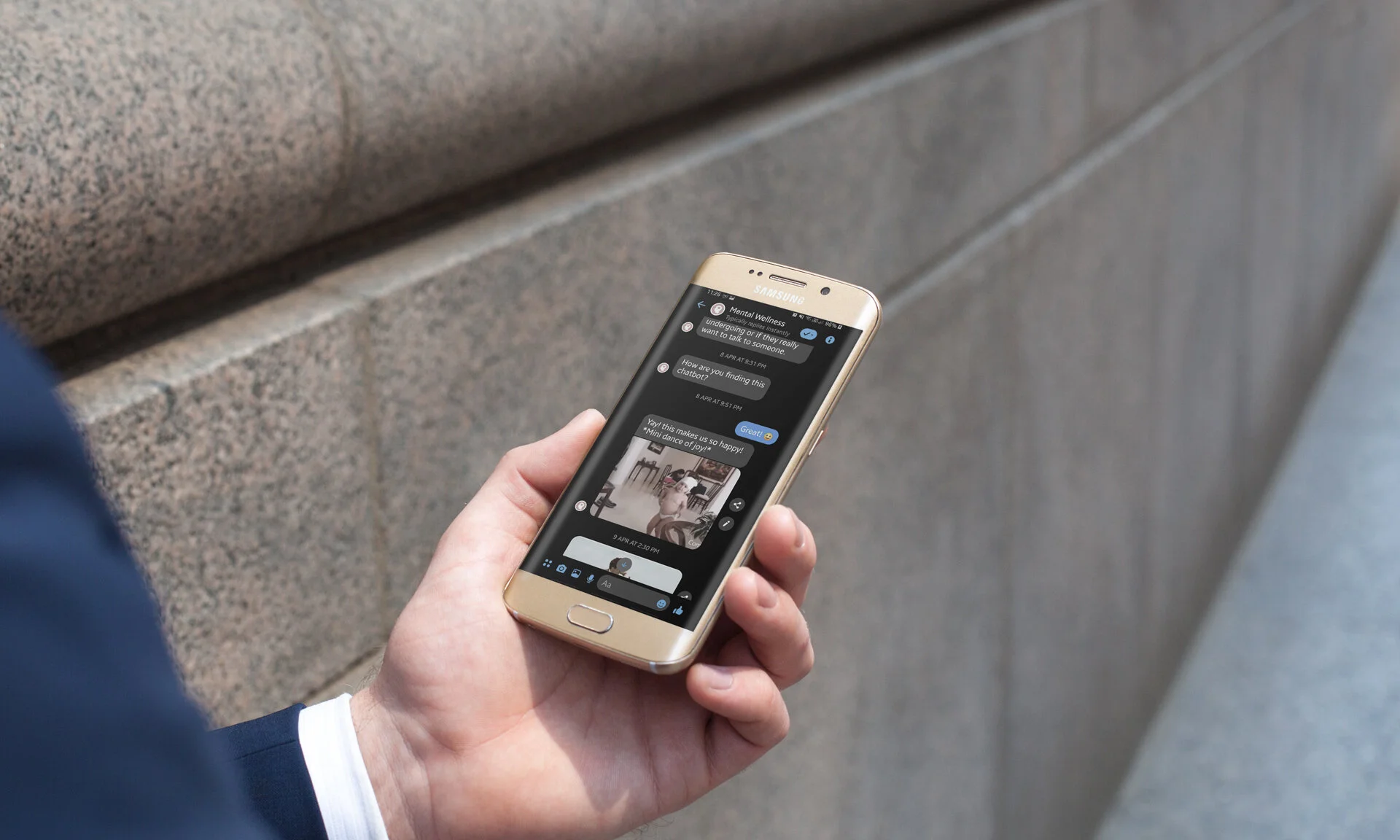
A Chatbot to promote mental wellness during the COVID19 lockdown in India
TL;DR
The onset of the pandemic left the general public feeling psychosocially distressed, helpless, and anxious.
I developed a Messenger-supported Chatbot, based on the broaden and build model, to cater to the healthy general public to promote positivity and mental well-being.
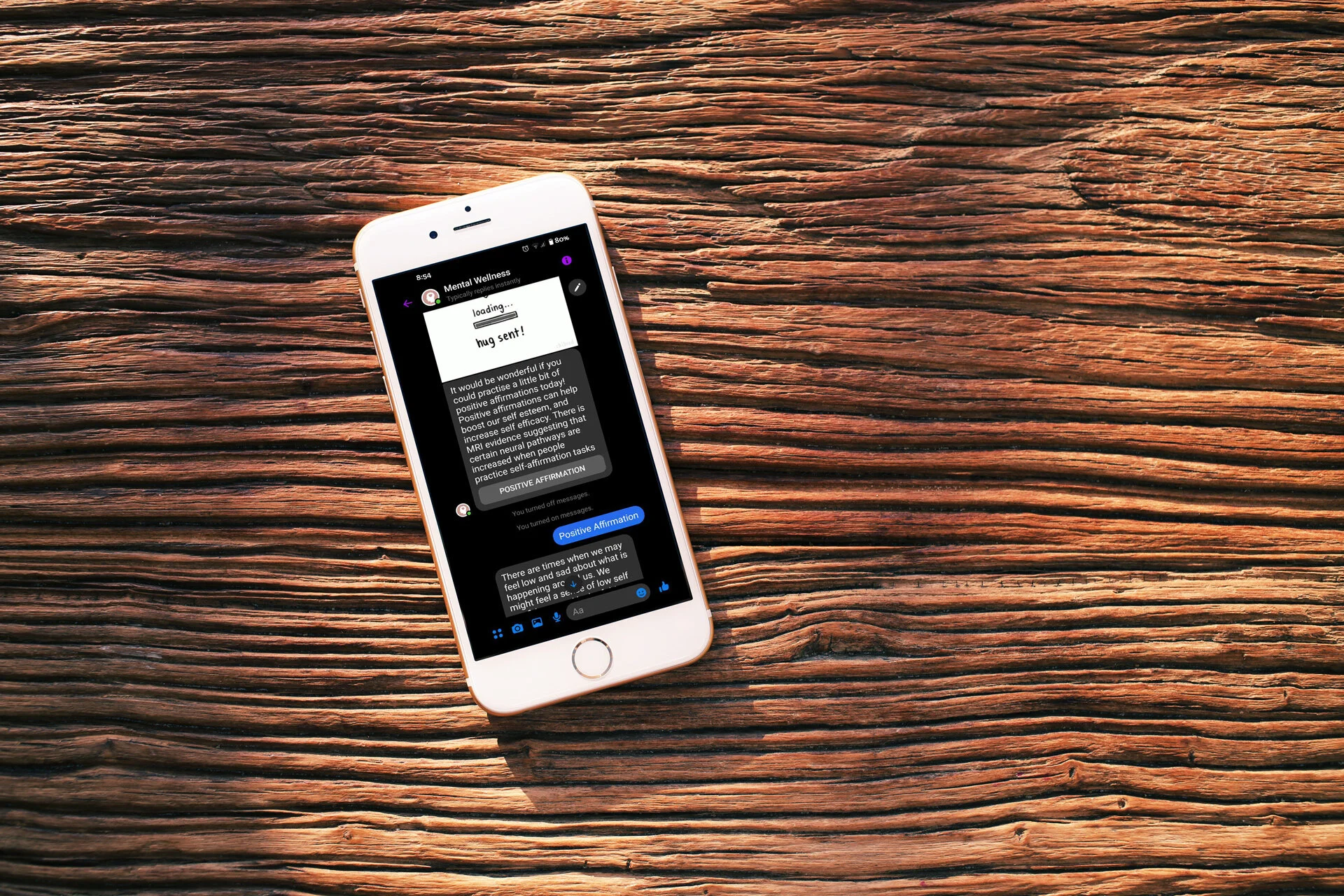
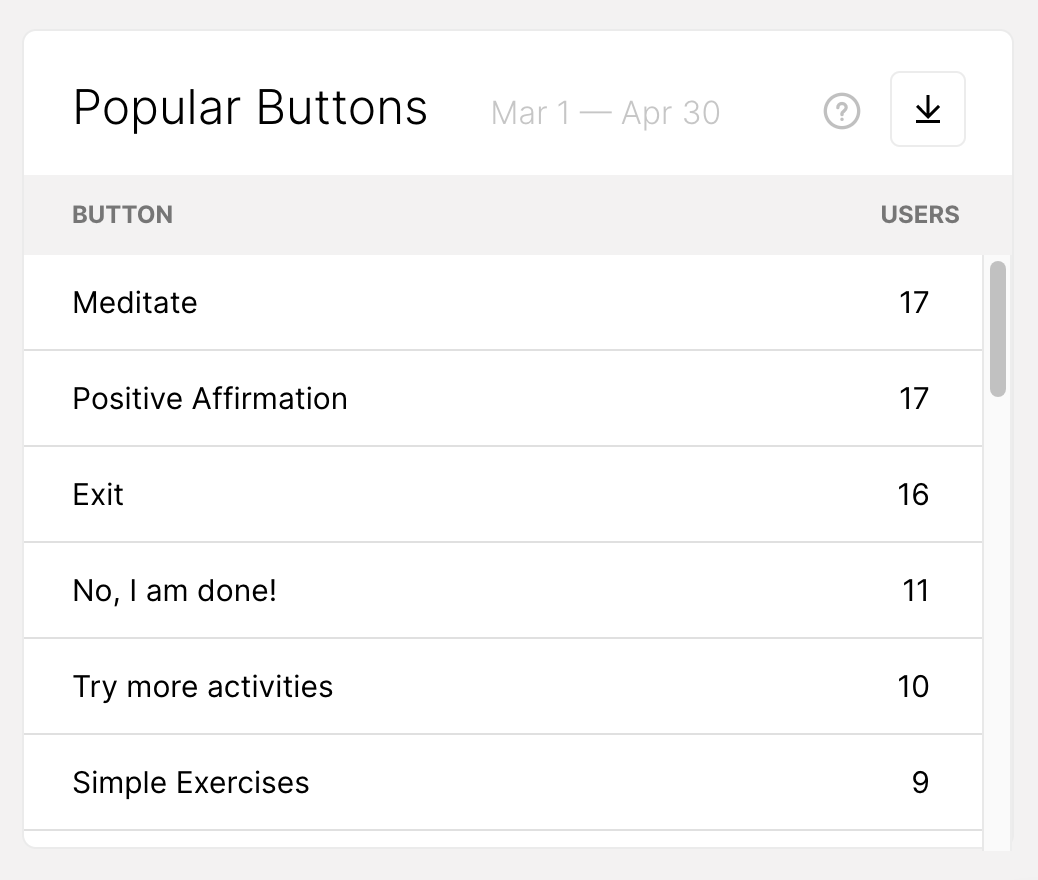
The Chatbot provided guided activities out of which positive affirmations, meditation, and exercises were mostly used.
The intervention helped significantly reducing symptoms of psychosocial distress in six of the individual's post-chatbot interventions.
Participants' impressions of the tool suggest more preponderant opportunities for future research in technology-driven mental health support.
The Challenge & Objectives
People usually struggle with their mental wellness when there is a sudden disaster/calamity. Previous literature suggests that there is rampant fear, panic buying, and disorientation with regards to routine in people’s lives, which puts them in a bad mental state.
The Objective
To develop an intervention to help people feel mentally well.
The Methodology
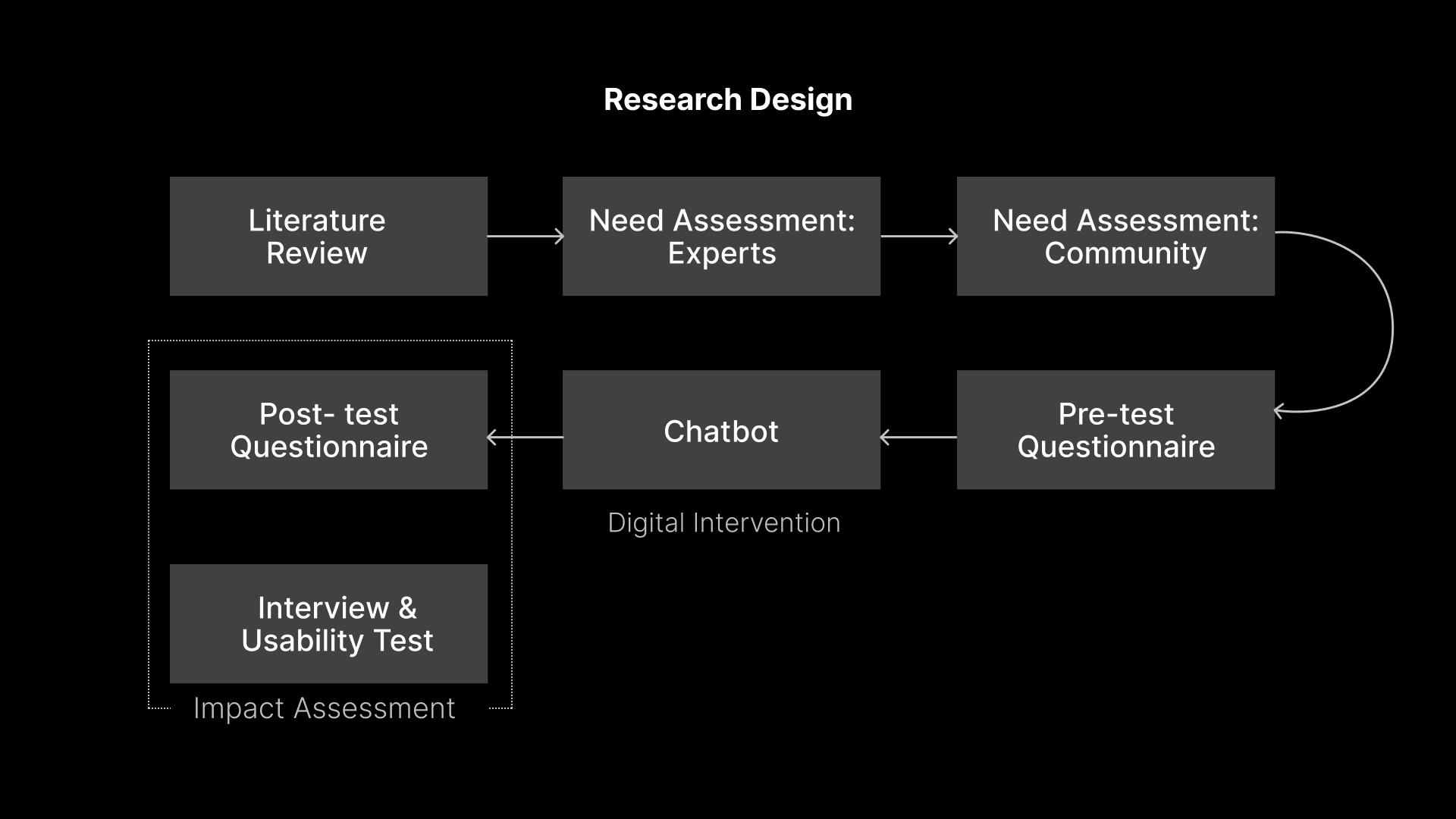
Step 1: Connect with mental health experts to understand the problem at hand and how they are suggesting to help people who maybe undergoing mental health issues.
Step 2: Connect with the community to understand how are they coping up with the situation and how they feel, and what kind of an intervention would work for them, to feel better.
Step 3: Conduct a pre-test study to understand how people feel.
Step 4: Develop intervention and test it on the group of participants selected
Step 5: After an unmoderated study on the people, get a post- study questionnaire filled out to understand the change in the mental health of participants/ users.
Step 6: Find out changes if any, and how this happened and review the intervention based on the feedback.
Since the social needs in India like transportation for the stranded migrants, food for all, and housing for the destitute was higher, the capability to accommodate the mental health needs of the general public seemed not only herculean but took a backseat when putting on par with basic social living needs of the people.

Interviews with Mental Health Experts
A telephonic interview with 6 mental health experts who were recruited through snowballing technique were conducted to understand the issues on the ground and how they help people cope with the situation and what the needs and solutions at this time are.
Mental health experts weighed in that people, were undergoing symptoms of psychosocial distress like worry about the speed at which the virus is spreading and the lack of adequate healthcare facilities.
The influx of 'infodemic', where people are receiving a multitude of information from social media platforms increased their stress and they don’t know how to seek help to feel better.
A qualitative descriptive study was used as in-depth interviews provide more understanding of the topic.
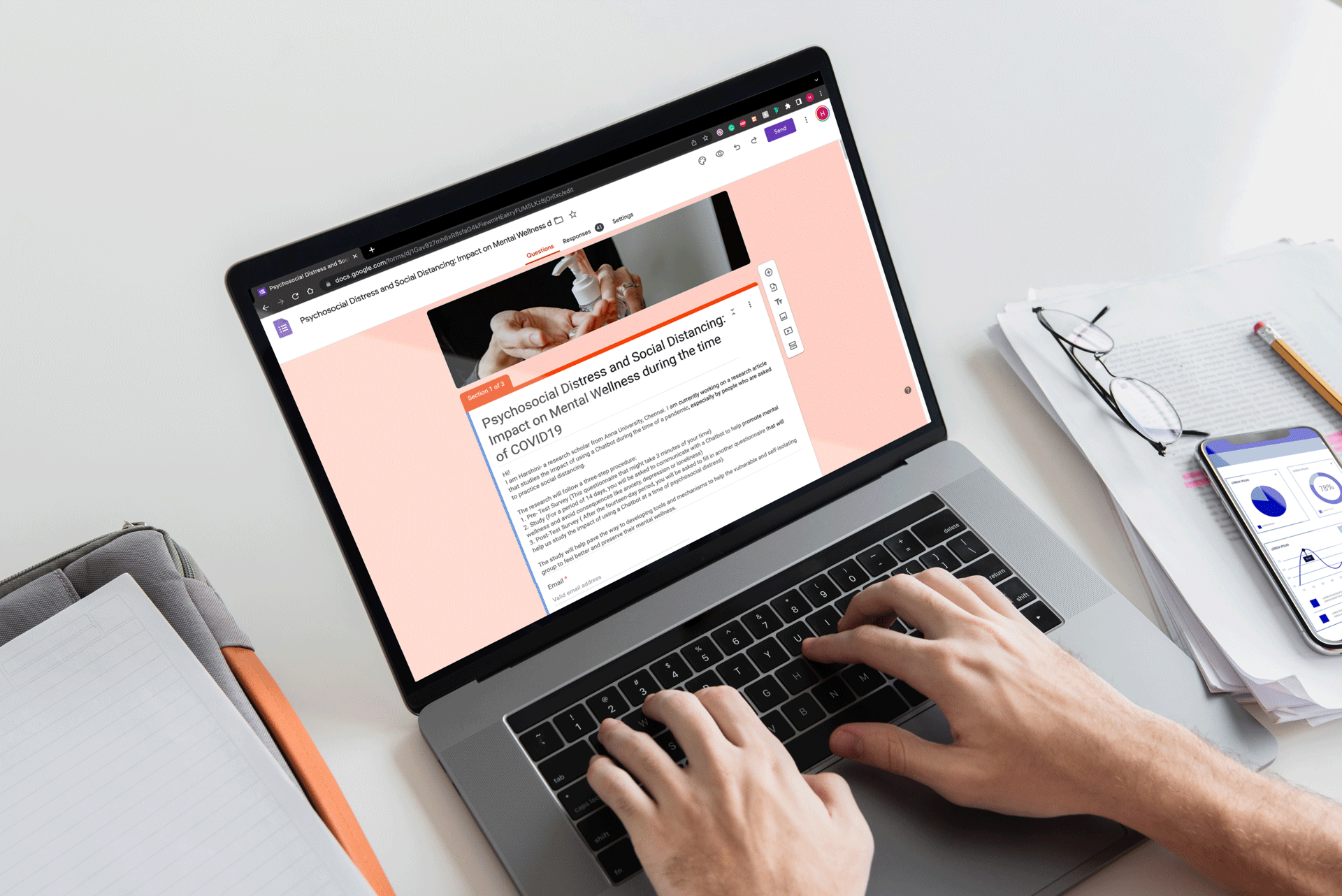
Pre-test study (Survey)
Interviews were followed up with a survey conducted on the community.
Quality of Life questionnaire by WHO and Kessler psychosocial distress scale study results suggested the researcher develop a Chabot. Broaden and Build theory was chosen as the theoretical framework of the script.
The Chatbot would send across one or more re-engagement messages to the participants of the study to help them with basic coping mechanisms like positive affirmations tasks, meditation, doodling, journaling, etc.
Since the broaden and build theory works towards cultivating positive emotions over negative ones, the techniques used by the Chatbot might help reduce symptoms of anxiety, sadness, and loneliness.

The Research Design
31 participants between 22 and 45 years old residing in urban locations (Nationa Mental Health Survey, 2015-16) consensually took a pre-test, Chatbot intervention, and post-test.
A chatbot was chosen as the digital intervention as participants were looking for a conversational tool, something like a friend to look after them when they feel low.
The chatbot was developed with the idea of ‘nudge’. Nudge is a nascent field that creates an environment for people to make decisions or take actions towards their goals.
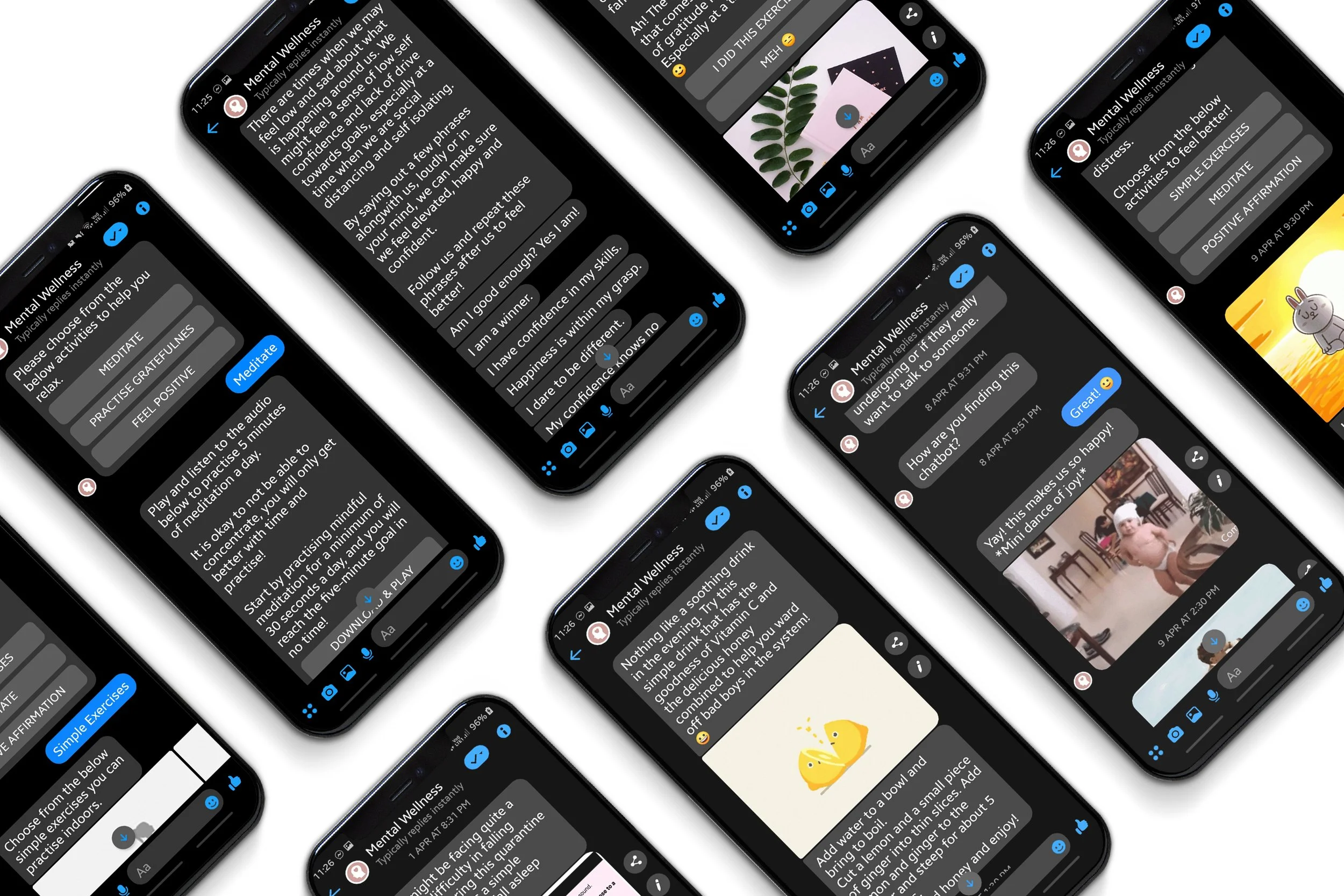
The Chatbot provided guided activities out of which positive affirmations, meditation, and exercises were mostly used. An experimental study was conducted to find out the relationship between the variables- mental wellness vs chatbot.
The mixed-method post-test study using questionnaires and telephonic interviews helped understand the impact of using the Chatbot in improving the symptoms of psychosocial distress which was measured using a modified Kessler Scale Scoring.

Results
The researcher designed a human centered digital intervention – a conversational chatbot to help people.
The Chatbot helped reduce symptoms of anxiety, sadness and loneliness in the users.
This participatory approach at every phase of the design process has given birth to a tool that has helped people manifold during a time of distress.
Familiarity of the interface is must- when designing for crisis situations as it helps in ease of onboarding.
When designing for global crisis, it is also important to ship the product immediately with little turnaround time.
The Chabot has helped 86.7 per cent of the participants feel more positive and 70 per cent of them who set a goal to be achieved during the lockdown period said the Chatbot helped them achieve them.
Human-centered technology development and designing interventions that are centered around the user, their needs, their culture, and their lifestyle and situation should be a part of the policy.
This paves the way for a more ethical, inclusive, and equitable design of technology for the future.
One of the participants even expressed that the Chatbot helped them sleep better because of the short meditation audio clip that they listened to each night.
What People Are Saying
“The Chatbot helped me sleep better because of the short meditation audio clip that I listened to each night.”
— Participant A
“Please remove physical exercises”
— Participant D
“Some funy videos which can bring happiness”
— Participant B
“Talk back system from which the chatbot can give personalised care.”
— Participant C
“I would be much more happier if it comes out as an individual app which I can also note down what I did for the day”
— Participant E
“It could also be like a space to share whatever we feel which will reduce stress or worry by developing appropriate responses.”
— Participant F
Outcomes
The Chatbot was designed to help promote positivity and better mental wellbeing among the individuals not affected by the coronavirus who were self-isolating during the lockdown period in India, using the broaden-and-build theory, promoting positivity can help forego negative emotions like stress, anxiety, and fear.
Overall, the experimental research proved successful as everyone used the Chatbot and the majority of positive reviews indicate the usefulness of the tool during a time of global distress, especially for the individuals not affected by the coronavirus who are forced to follow social distancing and remain indoors and are psychosocially distressed.
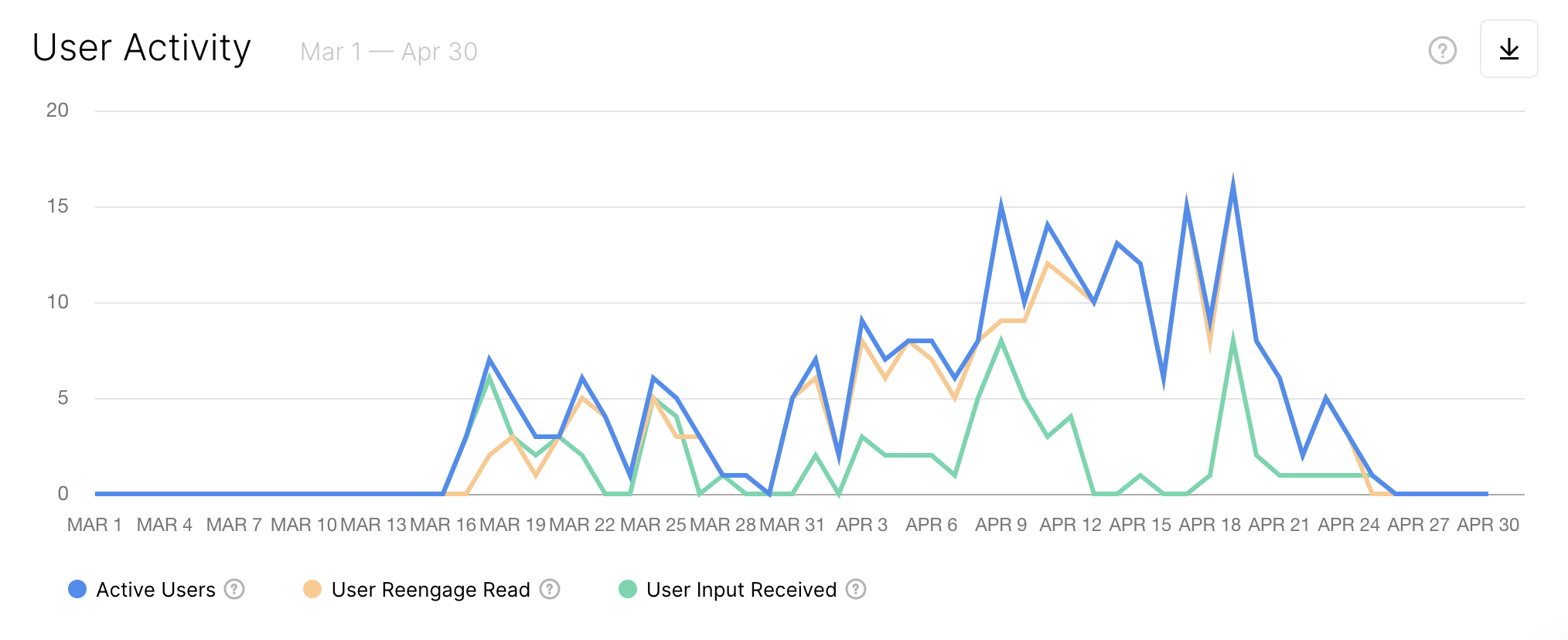
The Chatbot was used extensively by the users and the re-engagement of users only increased with time. The Chatbot was well received and promoted positivity to the majority of users, however, some users suggested that the Chatbot could be more focussed depending on the mental issue undergone by the user and a more conversational feature could help improve the Chatbot.
A larger sample size and funding provided for the research could also help in including more features and a deeper understanding of the incorporation of such a Chatbot by governmental organizations.